
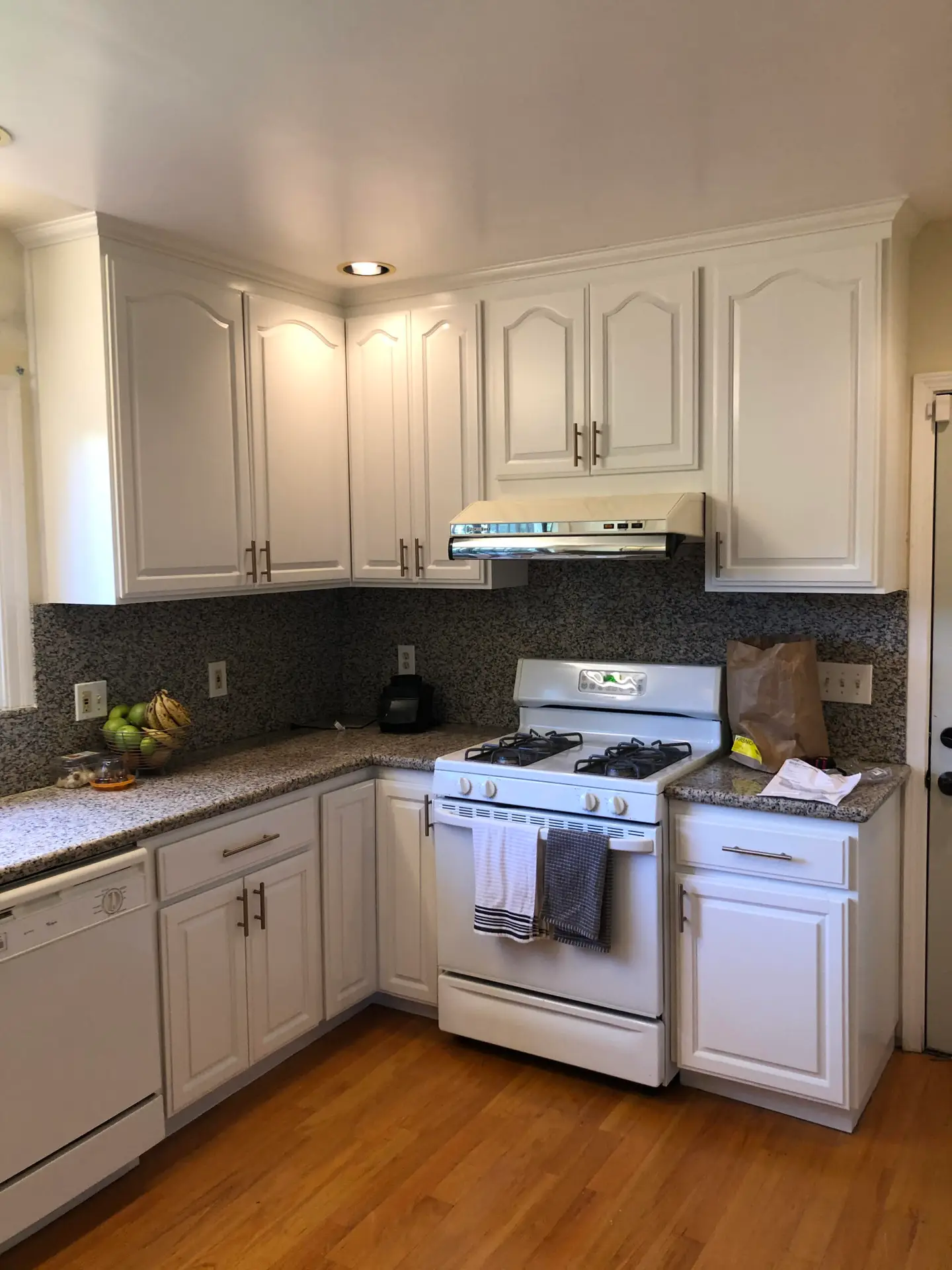
How Much Does Cabinet Refinishing Cost in Walnut Creek?
How Much Does Cabinet Refinishing Cost in Walnut Creek? Cabinet refinishing in Walnut Creek typically costs $4,000 to $15,000 for a full kitchen and $1,280
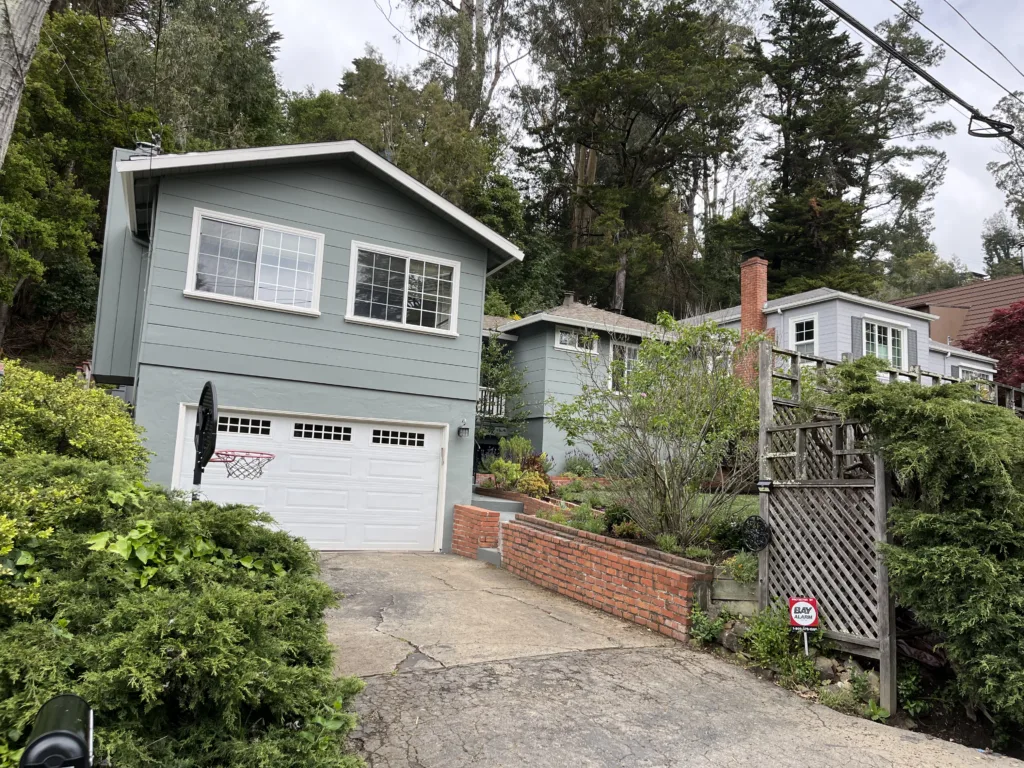
If your Oakland home was built before 1978, there is a strong chance it contains lead-based paint. Lead paint was banned for residential use in 1978, but it remains on walls, trim, doors, window sills, and exterior siding in millions of American homes. In the East Bay, where neighborhoods like Rockridge, Temescal, Adams Point, Elmwood, North Berkeley, and downtown Piedmont are filled with homes built between 1900 and 1960, lead paint is not a rare exception. It is the norm.
Lead paint that is intact and in good condition is generally not a hazard. The danger comes when it is disturbed. Scraping, sanding, cutting, or demolishing painted surfaces in a pre-1978 home can release lead dust that is invisible, odorless, and dangerous, especially to children under six and pregnant women. That is why any painting project on a pre-1978 home needs to follow specific safety protocols.
This guide covers when lead paint testing is necessary, what the EPA requires from painting contractors, how lead-safe work affects your project cost and timeline, and what to look for when hiring a painter for an older Oakland or East Bay home.
Very common. Oakland’s housing stock skews heavily pre-1978. Entire neighborhoods were built decades before the lead paint ban, and many homes have multiple layers of lead-containing paint under newer coatings.
The highest concentrations of pre-1978 homes in the East Bay are found in Rockridge, Temescal, North Oakland, West Oakland, Adams Point, Piedmont Avenue, downtown Piedmont, much of Berkeley (especially Elmwood, North Berkeley, and Claremont), Albany, Alameda, and parts of El Cerrito and Kensington. If your home is in any of these areas and was built before 1978, assume lead paint is present until testing proves otherwise.
Even homes that have been repainted multiple times may still have lead paint underneath. Lead paint does not disappear when you paint over it. It stays on the surface, and any future work that disturbs that surface, whether scraping for a repaint, sanding trim, replacing windows, or repairing drywall, can release lead dust into your home.
Lead paint testing is not legally required before every painting project, but it is strongly recommended on any pre-1978 home. Here is when it matters most.
Before any exterior painting that involves scraping or sanding. Exterior prep is the highest-risk activity for lead dust exposure because the dust can spread across your yard, neighboring properties, and soil where children play.
Before interior work that disturbs more than 6 square feet of painted surface per room. Under the EPA’s Renovation, Repair, and Painting (RRP) Rule, any paid contractor working in a pre-1978 home must follow lead-safe practices when disturbing painted surfaces above this threshold. That covers almost any real painting project.
Before window replacement or trim removal. Windows and trim are among the most common surfaces where lead paint is found, and removing or replacing them generates significant dust.
Before any renovation work. Drywall demolition, wall removal, and bathroom or kitchen remodels in pre-1978 homes all carry lead exposure risk.
Testing can be done with EPA-recognized test kits for a quick initial check, or by hiring a certified lead inspector for XRF testing, which gives definitive results surface by surface. XRF testing typically costs $300 to $600 for a full home assessment in the Oakland area.
The EPA Renovation, Repair, and Painting (RRP) Rule is a federal law that applies to all paid contractors performing work in pre-1978 homes and child-occupied facilities. It has been in effect since 2010, and enforcement has increased significantly in recent years.
Under the RRP Rule, contractors must be EPA Lead-Safe Certified and must follow specific lead-safe work practices when disturbing painted surfaces. These include containing the work area with plastic sheeting, using wet methods to minimize dust, prohibiting dry sanding and dry scraping, cleaning the work area using HEPA vacuums and wet mopping, and conducting cleaning verification before removing containment.
Fines for violating the RRP Rule can reach $37,000 or more per violation. That liability falls on the contractor, but the health risk falls on your family.
California adds additional requirements. Under Senate Bill 1076, California is implementing its own RRP certification requirements through the California Department of Public Health (CDPH). By January 2027, renovation firms and individual renovators working on pre-1978 homes in California will need state-level certification in addition to federal EPA certification. Integrity Paint holds both EPA RRP certification (EPA Lead-Safe Certified Firm number R-R-75920-25-00012) and meets all current California lead-safe work requirements.
If your home was built before 1978, lead paint will affect three things: the process, the timeline, and the cost.
Process. Your painting contractor needs to set up containment around any work area where painted surfaces will be disturbed. Exterior work requires ground containment extending at least 10 feet from the building to catch debris and dust. Interior work requires sealing off rooms with plastic sheeting, covering floors, and sealing HVAC vents. All scraping and sanding must use wet methods. Cleanup requires HEPA vacuuming and wet mopping, not sweeping.
Timeline. Containment setup, wet methods, and proper cleanup add time to every phase of the project. A standard exterior repaint that takes 5 to 7 days on a non-lead home may take 7 to 10 days on a lead-safe project. Interior projects add 1 to 2 days for containment and cleanup.
Cost. Lead-safe work adds approximately 15 to 30 percent to the cost of a standard painting project. The additional cost covers containment materials, wet method supplies, HEPA equipment, extended labor time, and proper disposal of lead-contaminated waste. On a typical Oakland exterior repaint, that translates to roughly $1,000 to $3,000 in additional cost depending on the scope of disturbance.
This is not optional work. It is legally required for paid contractors, and it protects your family’s health. A contractor who quotes the same price on a 1920s Craftsman as a 2005 condo is either cutting corners on lead-safe practices or does not understand the requirements.
Not every painting contractor is qualified to work on older homes with lead paint. Here is what to verify before hiring anyone for a painting project on a pre-1978 Oakland or East Bay property.
Verify EPA RRP certification. Ask for the contractor’s EPA Lead-Safe Certified Firm number and the individual renovator’s certification. You can verify firm certification on the EPA’s website. If a contractor cannot provide this, they cannot legally work on your home. For reference, our own EPA Lead-Safe Certified Firm number is R-R-75920-25-00012, and we are happy to have homeowners verify it. Any qualified contractor should share theirs just as readily.
Ask about their lead-safe process. A qualified contractor should be able to describe their containment setup, wet methods, cleanup procedures, and waste disposal process without hesitation. If the answer is vague or dismissive, move on.
Check their CSLB license. In California, painting contractors must hold a valid Contractors State License Board license (C-33 classification for painting). Verify the license at cslb.ca.gov. An active license, clean record, and current insurance are non-negotiable.
Look for lead-safe experience specifically. A contractor who primarily paints new construction or modern homes may hold the EPA certification but lack practical experience with lead-safe work on century-old Craftsmans and Victorians. Ask how many pre-1978 homes they have painted and whether they are familiar with the specific challenges of older Oakland construction: plaster walls, multi-layer paint buildup, and wood substrates in varying condition.
Get a written estimate that includes lead-safe line items. Containment, wet method prep, HEPA cleanup, and waste disposal should be visible in the estimate. If the estimate does not mention lead-safe practices on a pre-1978 home, the contractor is either planning to skip them or does not know they are required.
For a broader guide to evaluating painting contractors, see our post on how to choose a painting contractor in Oakland.
The EPA RRP Rule does not apply to homeowners performing work on their own primary residence. You can legally paint your own pre-1978 home without EPA certification. However, the health risks are the same whether a contractor or homeowner generates the lead dust.
If you choose to do your own painting on a pre-1978 home, the EPA recommends following the same lead-safe practices: wet methods, containment, HEPA cleanup, and keeping children and pregnant women away from the work area. The EPA’s “Renovate Right” pamphlet provides guidance for homeowners.
For most Oakland homeowners, the risk, the learning curve, and the equipment required make professional lead-safe painting the safer and more practical choice, especially for exterior work where dust can spread across yards and neighboring properties.
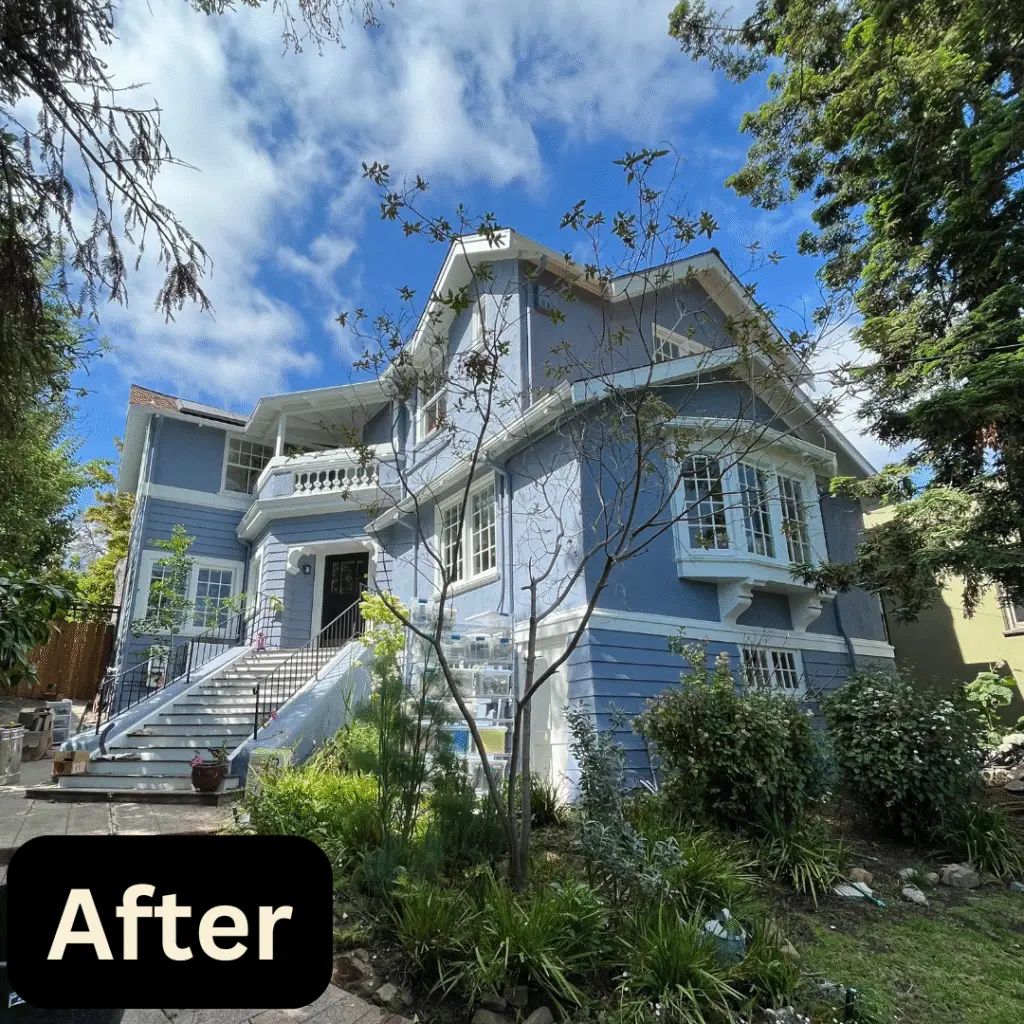
If your home was built before 1978, assume it has lead paint until testing proves otherwise. You can use an EPA-recognized test kit for a quick check or hire a certified lead inspector for XRF testing, which gives definitive results. XRF testing costs $300 to $600 for a full home in the Oakland area.
Lead paint that is intact and not being disturbed is generally not a hazard. The danger comes when surfaces are scraped, sanded, or otherwise disturbed during painting prep. Even a standard repaint on a pre-1978 home typically involves enough surface disturbance to require lead-safe work practices.
Lead-safe work adds approximately 15 to 30 percent to the cost of a standard painting project. On a typical Oakland exterior repaint, that translates to roughly $1,000 to $3,000 in additional cost for containment, wet methods, HEPA cleanup, and waste disposal.
In some cases, encapsulation (painting over intact lead paint with a specialized coating) is an option. However, most painting projects require surface prep that disturbs the existing paint. Even light sanding or scraping triggers RRP requirements on a pre-1978 home. Your contractor should assess whether encapsulation is feasible during the estimate.
Any Oakland neighborhood with pre-1978 housing stock has significant lead paint presence. The highest concentrations are in Rockridge, Temescal, North Oakland, West Oakland, Adams Point, Piedmont Avenue, and surrounding areas where homes were built between 1900 and 1960. Berkeley, Piedmont, Albany, Alameda, and parts of El Cerrito and Kensington have similarly high concentrations.
Yes. Integrity Paint and General Contracting is an EPA Lead-Safe Certified Firm, certification number R-R-75920-25-00012, certified for lead-safe work on pre-1978 homes. We follow all federal and California lead-safe work practices including containment, wet methods, HEPA cleanup, and compliant waste disposal. We also hold a valid CSLB license, number 1021317, and carry full liability and workers compensation insurance.
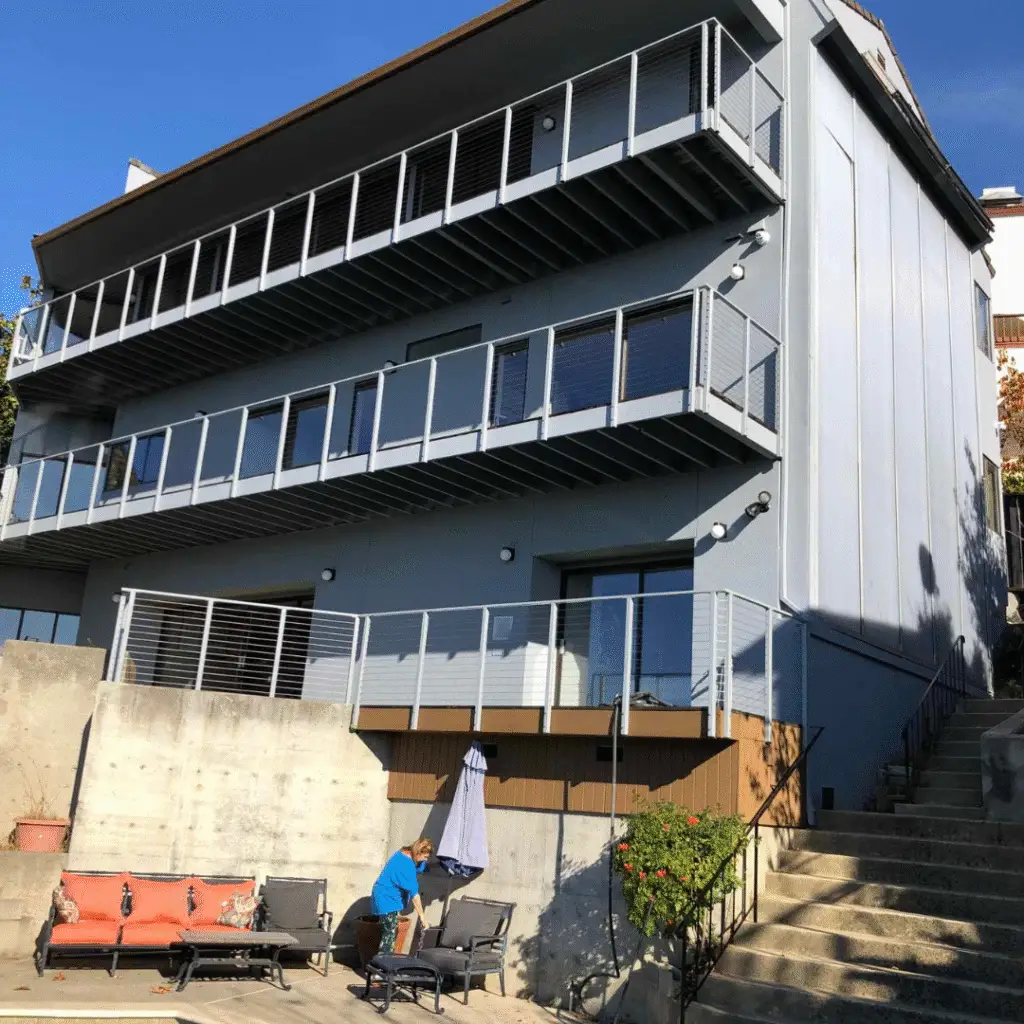
Get a free estimate that includes a full lead-safe assessment. Integrity Paint and General Contracting is EPA RRP certified and experienced with older Oakland, Piedmont, Berkeley, and East Bay homes. We will walk your property, assess the scope, and provide a detailed written estimate covering all lead-safe requirements.
How Much Does Cabinet Refinishing Cost in Walnut Creek? Cabinet refinishing in Walnut Creek typically costs $4,000 to $15,000 for a full kitchen and $1,280
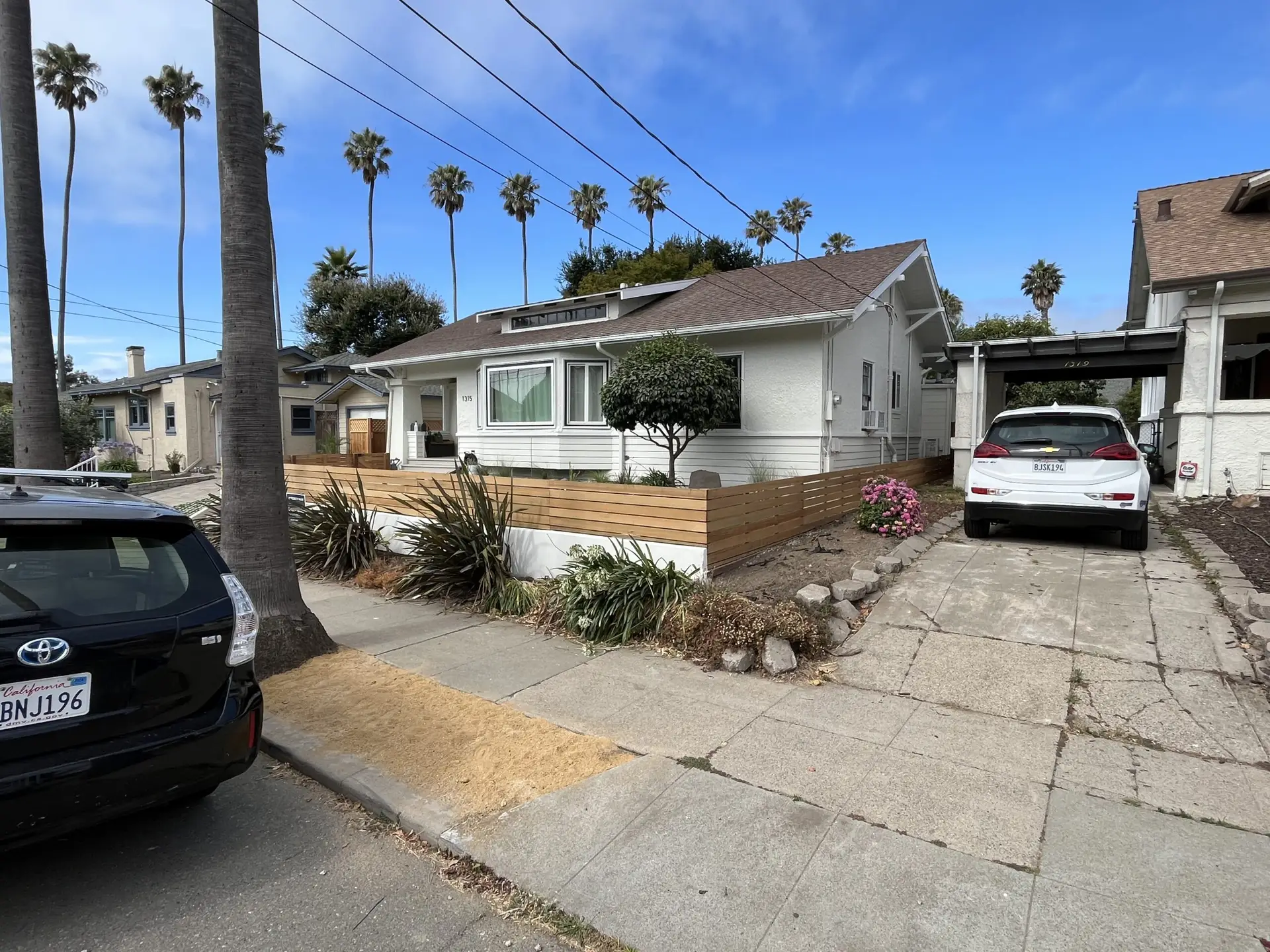
How Much Does It Cost to Paint a House in Walnut Creek? Most house painting projects in Walnut Creek fall between $3,000 and $15,000, depending
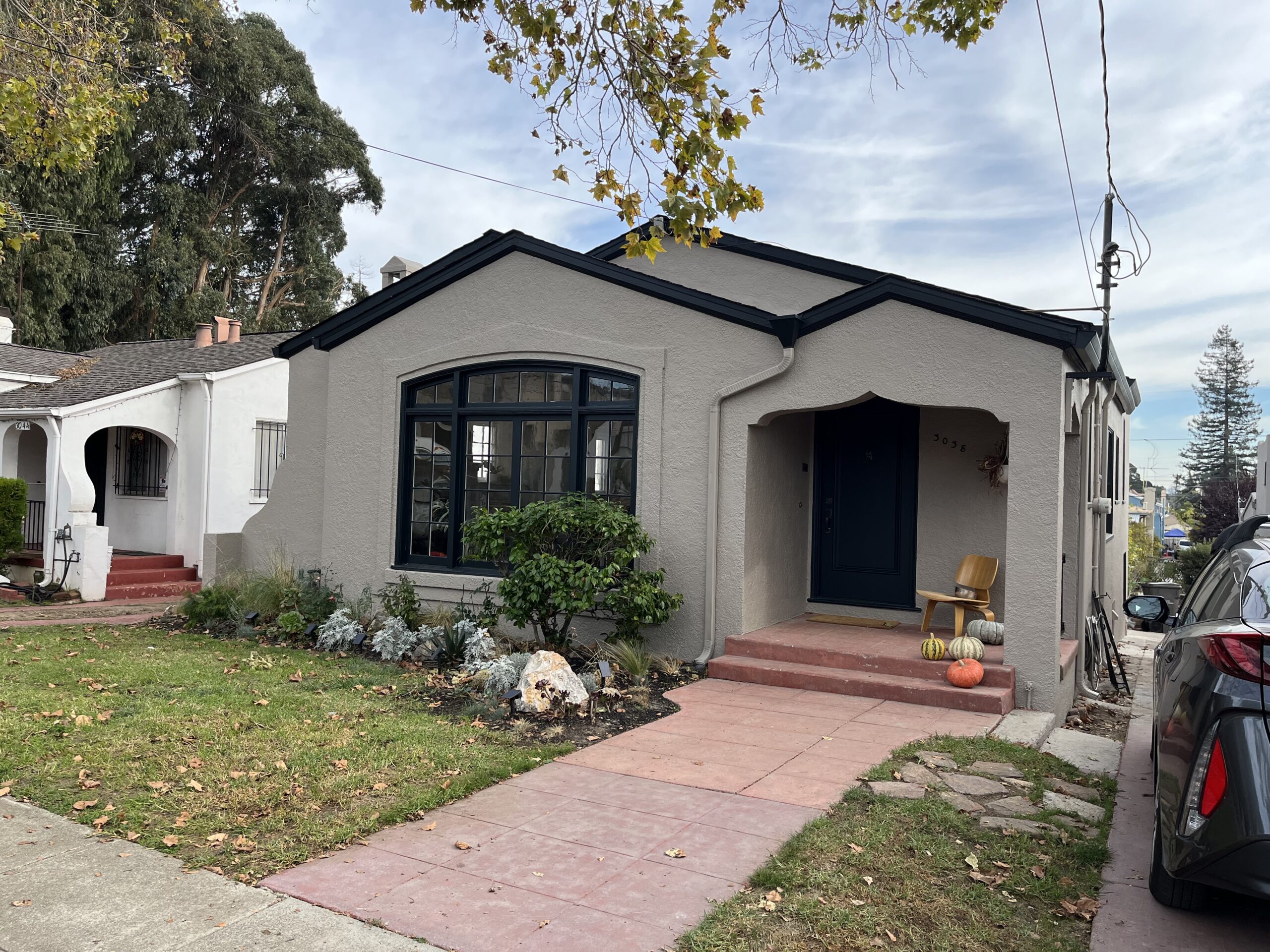
How Often Should You Paint a Stucco House in the East Bay? Most stucco homes in the East Bay need repainting every 7 to 10