- 4.9★ on Google | Licensed & EPA Lead-Safe Certified
A community repaint is one of the largest projects most HOA boards will approve, and the residents will live with the result for the better part of a decade. The way you choose an HOA painting contractor decides how smoothly it goes. This guide walks East Bay boards and property managers through the process, from the reserve study to the final walkthrough, so you can compare bids fairly and hire with confidence.

California associations governed by the Davis-Stirling Act must complete a reserve study at least every three years, based on a visual inspection of the components the association maintains. Exterior paint is usually one of those components, so the reserve study is the natural starting point. It tells you when painting is due and how much the association has set aside for it.
Repaint cycles depend on the surface and how much sun and weather it takes. Guidance from ECHO, a California HOA education group, puts typical cycles at about 4 to 6 years for wood and 7 to 10 years for stucco. Starting the process six to twelve months ahead gives you time for color selection, bidding, and owner communication. Exterior work in the East Bay goes best from late spring through early fall, so plan backward from that window. Our guide to the best time of year to paint in the East Bay covers the weather side in more detail.
The most common reason HOA bids are hard to compare is that every contractor priced a different job. A written specification fixes that. When every bidder prices the same scope, products, and standards, the numbers actually mean something. A solid spec covers:
Many boards have their manager, a consultant, or a paint manufacturer's representative help write the spec. If repairs are likely, ask bidders to price them as unit costs (per linear foot of trim, per board, and so on) so surprises during the job are priced in advance.
Three to five qualified bidders is usually the right number. More than that tends to lower the quality of the proposals you get back. Schedule a single job walk for all bidders so everyone sees the same conditions and hears the same answers. If questions come up afterward, send the answers to every bidder in writing so nobody is pricing from different information. Two weeks is a reasonable bidding window for most communities.
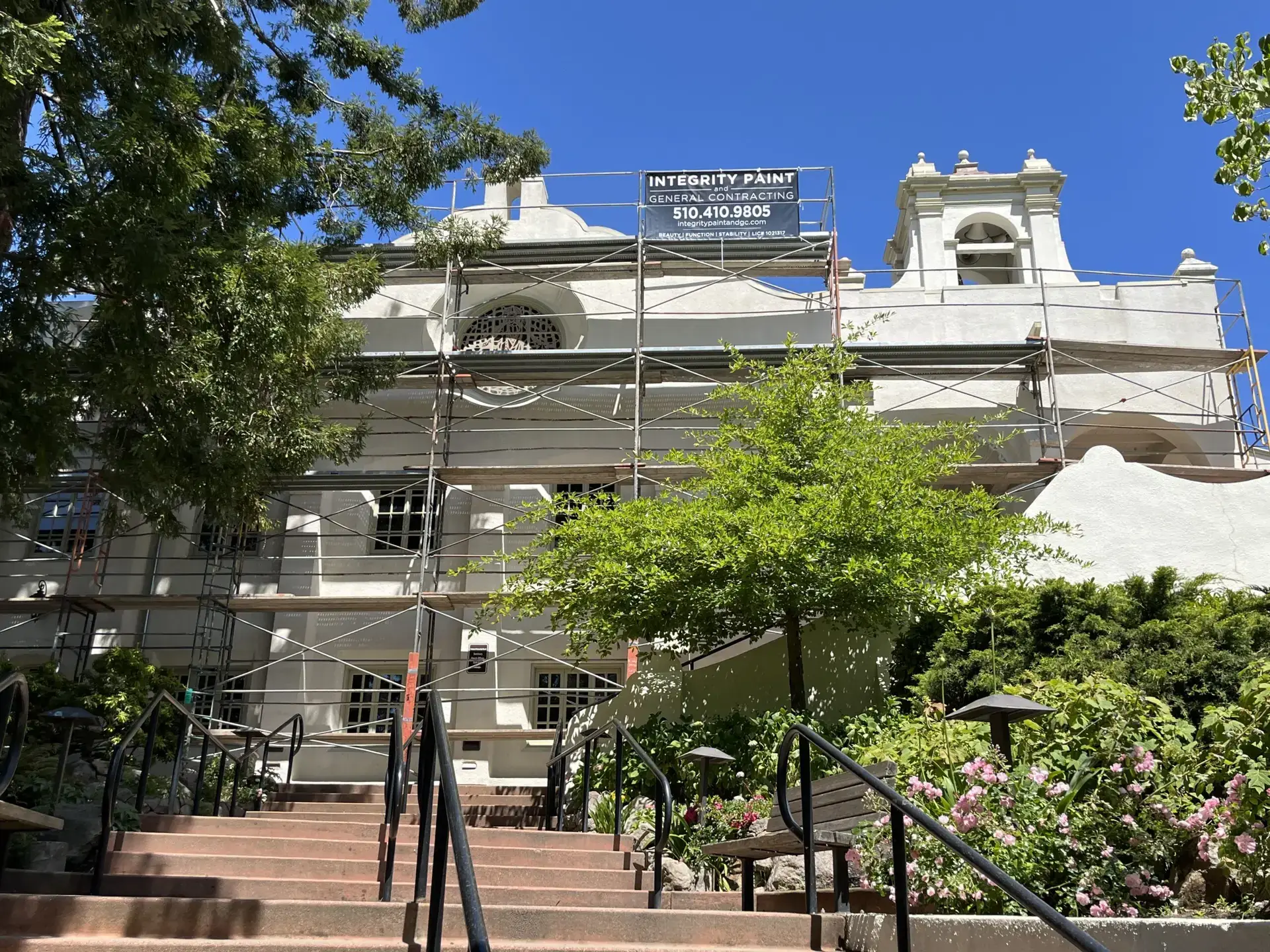
California's SB 326 requires condominium and other common interest developments to have a licensed structural engineer or architect inspect a sample of exterior elevated elements, such as wood-framed balconies, decks, stairways, and walkways more than six feet above the ground. After the first inspection, the law calls for inspections at least once every nine years, and the findings feed into the reserve study.
That matters for painting. If the inspection finds damaged wood, failed flashing, or waterproofing problems, those repairs should be done before the new coating goes on. A painting contractor does not perform the SB 326 inspection, but a good one will read the engineer's report, schedule prep around the repairs, and seal and paint the repaired areas so the whole elevation finishes evenly. Share the report with every bidder so it is priced into the job.
Credentials protect the association, not just the contractor. Before you shortlist anyone, check:
Two proposals for "two coats" can describe very different jobs. Lay the bids side by side and compare the parts that drive quality and cost:
| Compare | What to look for |
|---|---|
| Prep scope | Washing, scraping, caulking, and spot priming spelled out, not implied |
| Repairs | Unit pricing for wood and stucco repair instead of open-ended allowances |
| Products | Named product line, sheen, and coat count that match the spec |
| Schedule | Phasing by building, start date, and a realistic duration |
| Supervision | A named project manager and how often they are on site |
| Warranty | Length, what it covers, and how claims are handled |
| Payment terms | Progress payments tied to completed phases, with a retention until closeout |
Price matters, but the lowest bid is often low because something is missing. Interview the top two or three bidders before you decide, especially when the numbers are close.
For more on what separates a professional contractor from a risky one, see our guide on how to choose a painting contractor in Oakland.
Color is where owner opinions run strongest, so give it time. Narrow the options to two or three schemes, then have the contractor paint large sample areas on an actual building so owners can see them in morning and afternoon light. Once the board approves a scheme, share it with owners before work starts, along with the schedule, what residents need to do (move cars, clear patios, close windows), and who to contact with questions. A clear notice plan prevents most of the complaints a board would otherwise field during the project.

Under the Davis-Stirling Act, boards generally cannot act on association business outside a properly noticed meeting, outside of limited emergencies. Approve the painting contract at a board meeting and record it in the minutes. Before signing, make sure the contract:
This guide is general information, not legal advice. Your association's counsel or manager can confirm the procedures that apply to your community.
Integrity Paint and General Contracting paints condo, townhome, apartment, and 55+ communities across the East Bay, with offices in Oakland and Walnut Creek. We serve associations in Oakland, Alameda, Berkeley, San Leandro, Walnut Creek, Pleasant Hill, Concord, and the communities in between. Every project starts with a property walkthrough and a written proposal, and a dedicated project manager handles scheduling, resident notices, and the final walkthrough. We are licensed, bonded, and insured (CSLB #1021317), an EPA Lead-Safe Certified Firm, and we provide certificates of insurance for association records. Learn more about our HOA and community painting, our commercial painting work, or our exterior painting process. Managing a 55+ community? Our Rossmoor painting guide covers how mutuals handle paint.
Three to five qualified bids is usually enough to compare pricing and approach. Inviting more often lowers the quality of the proposals, because contractors know the odds are long. What matters more is that every bidder prices the same written specification after the same job walk.
A good spec lists every surface to be painted, the required prep (pressure washing, scraping, caulking, repairs), primers by surface, the paint product line and sheen, number of coats, color schedule, protection of landscaping and vehicles, resident notice requirements, insurance and license requirements, warranty terms, and closeout documentation.
Look up the license number on the Contractors State License Board website at cslb.ca.gov. Confirm the license is active, that the classification fits the work (C-33 is the painting and decorating classification), and that workers' compensation and bond information is on file.
It depends on the surface and exposure, but common guidance is about every 4 to 6 years for wood and 7 to 10 years for stucco. Your reserve study should track painting as a component, and a contractor walkthrough can tell you whether the current coating is ahead of or behind schedule.
Ideally after. The inspection often turns up damaged wood, flashing, or waterproofing on balconies and stairways, and those repairs should happen before new paint goes on. Painting first can hide problems the engineer needs to see and means repainting repaired areas later. If the timing overlaps, share the inspection report with bidders so repairs and paint are scheduled together.
Under California's Davis-Stirling Act, boards generally cannot take action on association business outside a properly noticed meeting, except in limited emergencies. Approving a major painting contract is normally done at a board meeting. Check with your association's counsel or manager on your specific procedures.
Yes. Integrity Paint and General Contracting works with boards, property managers, and committees across Oakland, Walnut Creek, and the East Bay. We provide written proposals, certificates of insurance, resident notices, and closeout documentation for association records.
Looking for more? Browse all of our painting guides.